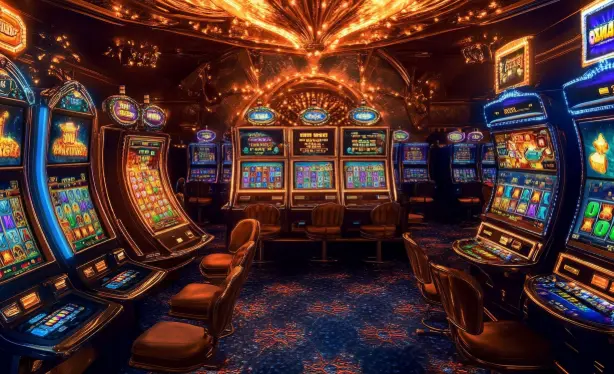
Oklahoma Casino Room: What Is the Minimum Bet?
The minimum bet in an Oklahoma casino room is not a courtesy floor designed to keep tourists comfortable — it is a hard-coded tier structure that shifts by pit, by hour, and by game type, and anyone treating it as a static number is already bleeding equity. Tribal gaming compacts govern nearly every room in the state, and those compacts set the table limits that floor supervisors enforce with zero flexibility. Walk into any of the major properties near Oklahoma City or Tulsa and you will see table minimums posted on digital placards that update faster than the drink service. That placard is the real answer to the minimum bet question, not the brochure at the player services desk.
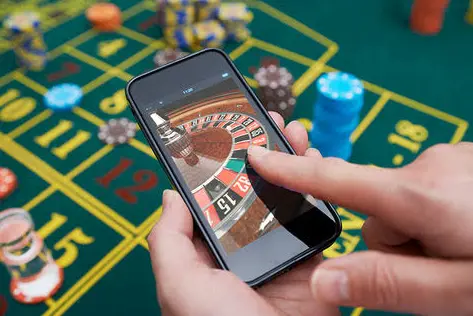
The Real Floor: Table Game Minimums Decoded
Blackjack in an Oklahoma casino room typically opens at five dollars during weekday daytime hours and climbs to ten or fifteen dollars by evening, with high-limit salons jumping to twenty-five or fifty. Craps follows a similar ladder, but the flat minimum only tells half the story — the odds bet behind the line is where the real math lives, and most tribal properties cap odds at single or double, rarely the full 3-4-5 structure you find in Nevada. Roulette minimums run five to fifteen dollars on the outside, with inside straight-up bets often carrying a separate aggregate minimum that catches novice players off guard. Caribbean stud and Three Card Poker sit at five to ten dollars for the ante, but the progressive side bet is where the house edge quietly compounds. 🔥
Electronic Tables and the Algorithmic Minimum
This is where the floor gets dirty. Electronic table game terminals — stadium-style blackjack, roulette, and baccarat hybrids — advertise one-dollar minimums that are technically accurate but functionally misleading. The terminal lets you bet a dollar per hand, but the effective cost per hour collapses when you factor in the faster dealt hand rate, often forty to sixty hands per hour versus twenty-five at a live felt table. Oklahoma Casino Room operators know this, and the terminal minimums are priced to extract the same theoretical win per hour as a five-dollar live table. The one-dollar sign is a lure, not a value proposition. 🎲

Slot Denominations: The Hidden Minimum Bet
Nobody calls penny slots a minimum bet, but that is exactly what they are — the lowest denomination machine in the room sets the practical entry point for the entire property, and in Oklahoma that entry point is frequently a one-cent denomination with a thirty-cent minimum spin because the machine requires a minimum number of credits per line. The posted denomination means nothing without the credits-per-line multiplier. A penny machine demanding thirty credits per spin is a thirty-cent minimum, and the hold percentage on those low-denomination units runs higher than the five-dollar machines in the same room. The Oklahoma casino room minimum bet question has two answers: one for felt, one for glass, and the glass answer is always worse. 🙌
Time-of-Day and Day-of-Week Compression
Floor supervisors raise minimums on Friday and Saturday nights with surgical precision, and the trigger is not customer volume alone — it is the mix of players willing to pay for position. A ten-dollar blackjack table on a Tuesday becomes a fifteen-dollar table at 7 p.m. Friday because the pit boss knows the demand curve is inelastic for the weekend crowd. The counter-strategy is mechanical: play weekday mornings, play the lower-limit pits near the cage rather than the center casino room, and never assume the placard is permanent. Minimums compress and release like a spring, and the players who track that cycle extract measurably more table time per dollar.