
Okada Manila Fountain Show Timings and Casino Floor Layout Reality Check
The Okada Manila fountain show runs on a rigid schedule that most visitors completely misread, and the casino floor layout is engineered to amplify that confusion into extended play time. The fountain's daily performances typically launch at 6:00 PM and repeat at intervals through midnight, with extended weekend slots—yet the actual timing is a moving target tied to weather protocols and maintenance windows that the floor staff rarely announce. If you're planning your session around the show, you're already playing into the property's hand. 🤨
Why the Fountain Schedule Is a Floor Traffic Weapon
Here's the mechanic nobody audits: the fountain show acts as a crowd redistributor. When the show fires, foot traffic drains from the outer gaming pits toward the lagoon-facing promenade, and the Okada Manila fountain show timings are deliberately staggered to create predictable lulls in specific pit zones. Sharp players exploit these lulls because table minimums sometimes soften when pit bosses lose visual coverage—but don't count on it being consistent. The schedule shifts with private events, and the published times are a floor management tool, not a public service. 👊
Decoding the Casino Floor Layout and Map Guide
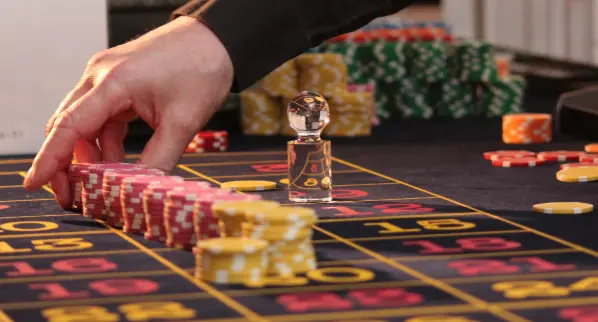
The casino floor layout and map guide is where the real engineering shows. Okada Manila's gaming floor is a radial maze—not a grid. Slot banks are positioned as visual barriers that block sightlines to exit paths, and the main aisles curve so you lose cardinal orientation within roughly forty meters of entry. The high-limit rooms sit behind secondary thresholds that require deliberate navigation, which filters casual traffic and keeps serious bankrolls in controlled pockets. Cashier cages are placed at asymmetrical choke points, forcing walk-throughs past active tables. This isn't accidental architecture; it's behavioral compression.
The Timing Trap at the Fountain Promenade
During fountain show windows, the promenade side entrances experience a surge that security manages with temporary lane closures. That closure pattern redirects pedestrian flow back through the slot floor—a classic forced-exposure loop. Players who know the Okada Manila fountain show timings use the pre-show ten-minute window to cross the floor before the surge hits, avoiding the compression zone entirely. Post-show, the tables facing the lagoon draw a fresh wave of casual players, which inflates minimums on those specific tables for roughly ninety minutes. The smart money moves inward, away from the water.

Map Guide Blind Spots You Must Pre-Load
The printed and digital map guides omit the service corridors and staff access lanes that intersect the main gaming floor at irregular angles—these are the fastest lateral routes across the property, and they're not marked for guests. Learn the structural landmarks instead: the fountain's acoustic radius, the ceiling lighting transition zones between pits, and the carpet pattern shifts that signal zone boundaries. The fountain show timing schedule is published at concierge desks, but the floor layout intelligence that actually matters is spatial, not printed. Memorize the radial geometry, track the show-cycle crowd surges, and treat every map guide as a marketing document rather than a navigation tool. 🎯