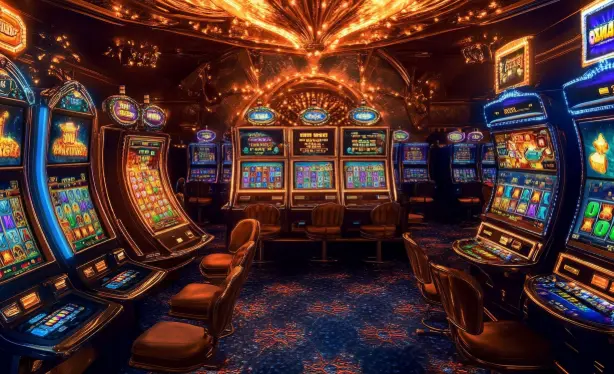
New York Casino Bill: When Will It Pass?
The New York casino bill is not stalled because of moral hand-wringing or some grand public debate — it is jammed in a legislative meat grinder where downstate license allocations, union labor mandates, and tax-rate math collide with the raw mechanics of a three-way negotiation between the governor's office and two legislative chambers. Anyone telling you a clean timeline exists is selling you a fantasy. 😤
Here is the blunt truth from someone who has watched gaming expansion fights across a dozen jurisdictions: New York is the single most complicated casino authorization market in the United States, and the New York casino bill timeline is dictated by three hard variables — the number of downstate licenses actually issued, the final tax rate applied to gross gaming revenue, and whether the legislature attaches community-hosting fees that bidders can stomach.

The Legislative Calendar Is the Real Bottleneck
New York's legislative session is a sprint, not a marathon. Lawmakers convene in January and typically adjourn in June, which means any casino authorization language must clear both the Senate and Assembly floors inside roughly a five-month window before it dies and gets reincarnated the following year. The bill has already been through multiple cycles of resurrection, and each delay compounds the difficulty because the underlying revenue projections get re-scored, the environmental review clock resets, and the bidding syndicates reshuffle their capital partners.
Insiders tracking the legislative mechanics know the actual gating item is not the floor vote — it is committee discharge. Gaming bills in New York historically sit in Racing, Gaming and Wagering committees while leadership horse-trades over unrelated budget items. The casino bill becomes a bargaining chip in the broader state budget negotiation, and that is precisely why predictions keep missing. ⏳
The Three-License Math and Why It Stalls Everything
The current framework authorizes three downstate casino licenses, with the New York State Gaming Commission running the selection process. That number is the fulcrum of the entire fight. Real estate interests in Manhattan want a piece, the existing racinos at Aqueduct and Yonkers are lobbying to convert their licenses into full casino status, and labor unions are demanding project labor agreements that raise the effective cost of every bid.
When you model the New York casino bill against the tax rate — historically floated anywhere between 25% and 45% on slot revenue — the winning bidder's internal rate of return swings wildly. At the high end, the bid premium plus the community-hosting fee crushes the deal math; at the low end, the state leaves money on the table and the legislature balks. That tension alone has killed more sessions than any single lawmaker's opposition. 💰

What Actually Has to Happen Before a Pass
The sequence is unforgiving. First, the governor must signal explicit support in the executive budget language — without that, the bill is a hobby horse. Second, the Senate and Assembly must agree on identical license-count and tax-rate language, not similar language, because conference committees are where casino bills go to die. Third, the Gaming Commission must publish selection criteria that survive a court challenge from losing bidders, who will litigate on constitutional and procedural grounds the moment the awards drop.
Strip away the press releases and the real signal to watch is whether the bill language moves out of committee before the April budget deadline. If it does, a same-session pass is live. If it does not, the casino bill slips another full year, the environmental review restarts, and the bid syndicates reprice their offers against a fresh cost of capital. That is the entire game — committee discharge timing against a fixed session calendar. 🎰
The Downstate Competitive Landscape Nobody Prices Correctly
The assumption that three licenses will be awarded cleanly ignores the cannibalization problem. A Manhattan license, a Coney Island license, and a Hudson Yards-adjacent license would compete for the same high-roller flight and the same regional feeder markets, while the existing racinos already capture the volume. Any operator modeling this market without discounting for intra-state competition is running fantasy numbers, and the regulators know it — which is why the environmental impact scoping keeps expanding and the bill keeps sliding.