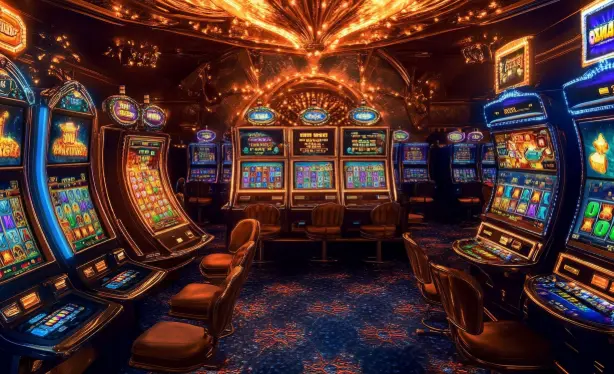
Tulsa Casino Electronic Bingo: The Class II Hardware Truth
Electronic bingo terminals in Tulsa are not slot machines wearing a costume, and anyone who tells you otherwise has never cracked open a Class II cabinet or read a single line of tribal gaming compact language. The machines that dominate Tulsa casino floors operate on a bingo card matrix engine, where every spin result is tied to an underlying bingo game outcome determined by a central server draw. This is the hard architectural reality that separates Oklahoma tribal Class II operations from Nevada-style Class III slots, and it matters enormously for how the hardware behaves under audit load.

The Bingo Engine Behind Every Spin
Here is where the technical rubber meets the road. Inside a Tulsa electronic bingo terminal, the player interface looks like a modern video slot, but the RNG does not generate a reel stop pattern in isolation. Instead, the central determination system pulls bingo balls, maps the resulting pattern to a card the player holds, and only then translates that bingo outcome into a display animation. This two-stage architecture is the core of Oklahoma Tribal Class II gaming, and it is exactly why the machines cannot be treated like their Class III cousins. The display is cosmetic. The bingo draw is the source of truth.
The audit trail here is brutal in its specificity. Every electronic bingo terminal must log the bingo card set, the ball draw sequence, the pattern match result, and the credit meter movement in a verifiable chain. If that chain breaks, the terminal is dead weight on the floor. This is not negotiable under tribal gaming regulations. The central server holds the draw records, and the terminal holds the local transaction log, and both must reconcile to the penny during any compliance sweep. 🎯
Why the Tulsa Floor Configuration Is Different
Tulsa tribal properties pack electronic bingo terminals in configurations that would make a Class III slot director wince. The density per square foot, the shared bingo card pools, and the progressive jackpot linked across terminal banks all run through the Class II determination engine. When a bank of terminals shares a bingo pool, the outcome correlation is real and measurable. Two machines side by side can theoretically share the same underlying draw cycle, which changes the volatility profile in ways that a pure slot RNG never produces.
The hardware itself is often off-the-shelf PC architecture wrapped in a gaming-grade cabinet. The security module is where the real engineering lives. Tulsa casino electronic bingo terminals use tamper-evident seals, encrypted communication to the central determination server, and a validated boot process that checks firmware signatures before the terminal accepts a single wager. If the signature check fails, the terminal locks out. No exceptions. 🔒
The Central Determination Server: The Real Bottleneck
Every electronic bingo terminal in a Tulsa tribal property is a client to a central determination server, and that server is the actual authority. When the network link drops, the terminal does not fall back to local RNG mode. It halts. This is a fundamental design choice that protects the integrity of the Tulsa Casino Electronic Bingo ecosystem but also creates operational pressure on the network backbone. Redundant links, failover switches, and localized draw caching are not optional luxuries in this environment. They are survival gear.
The draw cycle timing is another technical trap. The central server must issue bingo outcomes at a cadence that keeps pace with terminal demand across the entire floor. Latency spikes during peak hours can cause terminal freezes, and those freezes show up in the audit logs as gaps in the draw sequence. A gap means an incomplete chain, and an incomplete chain means a compliance event. The engineering teams that keep Tulsa floors running smoothly are obsessed with draw cycle latency in milliseconds.
Audit Trails and the Compliance Hammer
The audit requirements for Oklahoma Class II electronic bingo are not gentle. The terminal must produce a complete game history that includes the bingo card, the ball draw, the pattern evaluation, and the resulting credit movement. This history must be retrievable on demand and must match the central server records. When the tribal gaming commission walks in, they are not asking for a summary. They want the raw logs, and they want them in a format that ties every credit to a specific bingo event. 🛠️
The terminal software must also handle power loss gracefully. If a Tulsa electronic bingo terminal loses power mid-draw, the recovery process must restore the exact game state or void the wager cleanly. Half-completed transactions are the nightmare scenario. The central server and the terminal must agree on the state of every pending game after a reboot, and that reconciliation is where sloppy firmware gets exposed fast.
The Progressive Jackpot Wiring Problem
Linked progressive jackpots across electronic bingo terminal banks add another layer of technical complexity. The jackpot contribution rate, the trigger condition, and the payout split must all be governed by the Class II determination engine rather than a standalone progressive controller. This means the central server tracks every coin-in contribution and manages the jackpot pool as part of the bingo game logic. If a progressive trigger fires, the server must verify the winning bingo pattern, confirm the contribution history, and issue the payout authorization to the specific terminal. One weak link in that chain and the jackpot becomes a compliance liability instead of a marketing asset.
The bottom line for anyone auditing or operating in this space is that the bingo engine never sleeps. The draw cycle runs, the logs write, and the reconciliation math either holds or it does not. In Tulsa's tribal Class II ecosystem, the hardware is only as good as the central determination architecture behind it, and the operators who understand that distinction are the ones who keep their floors running clean.